The Power of Community: 2026 is the year of belonging, participation, and real‑world connection
Something is quietly but unmistakably shifting.
Across culture, business, and everyday life, people are pulling back from constant digital stimulation and moving toward something slower, more tactile, and more human. This is not a rejection of the internet, but a rebalancing — a return to experiences that feel grounding, embodied, and shared.
What we are witnessing is not a micro‑trend or a fleeting aesthetic. It is a broader cultural realignment. And at the heart of it is one powerful force: community.
From digital saturation to cultural fatigue
For over a decade, the dominant mode of participation online has been observation. We watched vlogs, followed routines, consumed tutorials, and scrolled endlessly through other people’s lives. Attention was the currency, and the platforms were designed to extract as much of it as possible.
But the cost of that economy is becoming increasingly visible.
Public conversations around digital fatigue, burnout, and nervous system overload are no longer niche. Major publications have documented the rise of “doomscrolling” exhaustion and the growing desire for boundaries around screen time. Pieces from outlets like Business Insider, The New York Times, and The Atlantic have explored why people are deliberately disengaging from always‑online culture and seeking more intentional ways of living.
This fatigue is not just mental. It is emotional and physiological. People are overstimulated, yet under‑connected.
And when a system stops meeting human needs, people adapt.
The rise of the analog rebellion
In response to this saturation, a counter‑movement has been forming.
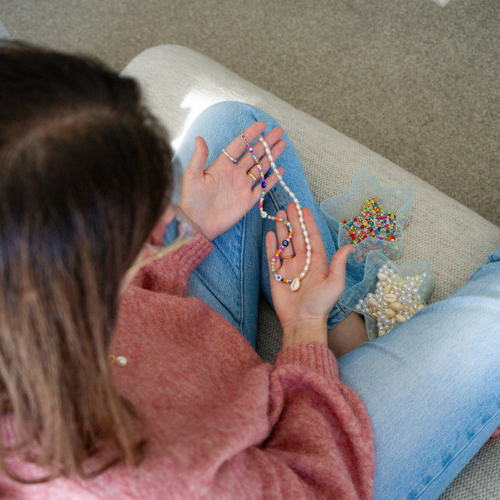
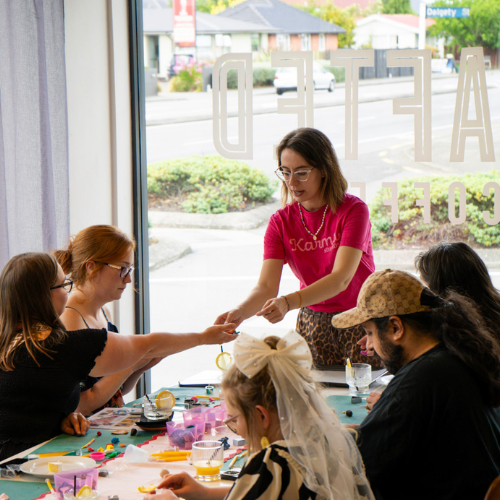
Often referred to as the “analog” or “offline” renaissance, this shift shows up in small but meaningful ways: the return of film photography, the popularity of scrapbooking and journaling, the resurgence of crochet, ceramics, and other hand‑based crafts.
These are not random hobbies gaining traction. They are practices that slow the body down, engage the senses, and create a tangible sense of progress and presence.
Articles exploring the popularity of analog habits — from carrying "analog bags" to hosting phone‑free gatherings — point to a shared motivation: people want to feel something again. Not through consumption, but through participation.
Doing, rather than watching.
Making, rather than scrolling.
From third places to the fourth place
Sociologists have long described the importance of “third places” — environments outside of home and work where people gather informally. Cafés, libraries, and parks have historically served this role, offering low‑pressure spaces for social connection.
But a new type of space is emerging.
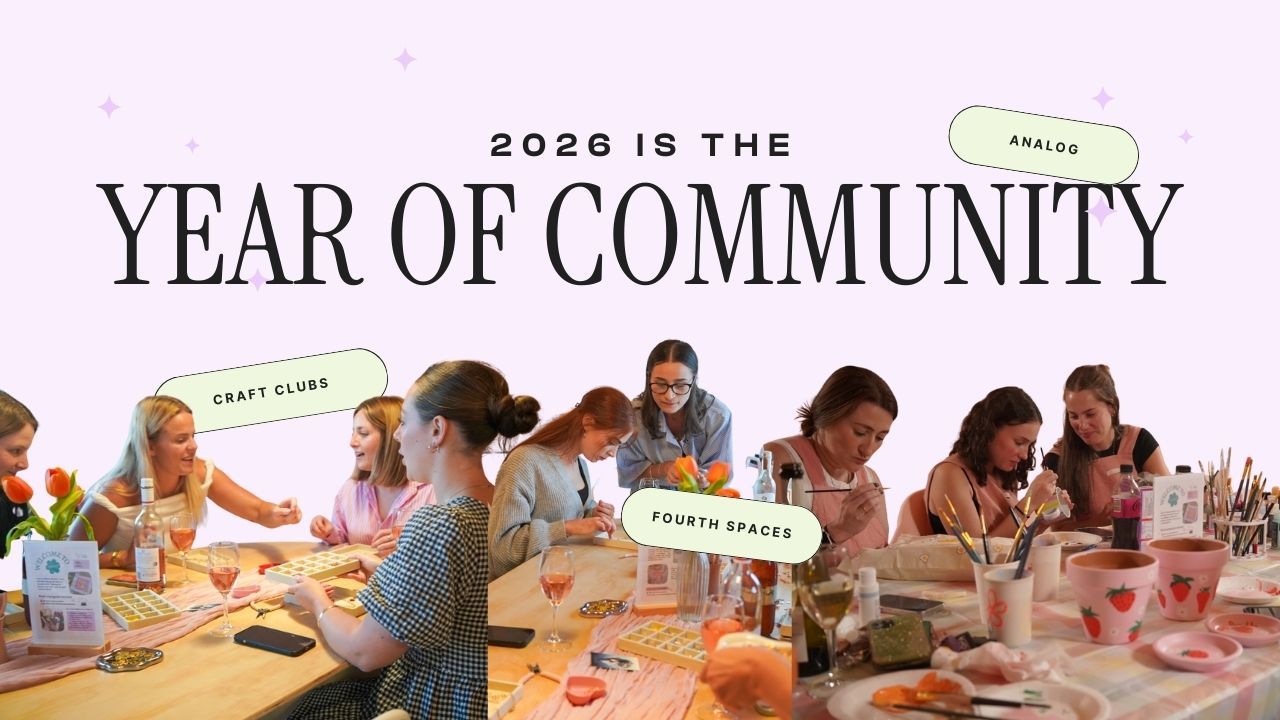
What many are now calling the fourth place blends community with creativity, intention, and identity. These are spaces designed not just for socialising, but for shared participation.
Art cafés. Craft studios. Experiential pop‑ups. Offline clubs. Skill‑based workshops.
What differentiates these spaces is not just that people meet — it is why they meet. The focus is on creating together, learning together, and expressing something personal in a collective setting.
These spaces succeed because they meet two fundamental human needs at the same time: belonging and self‑expression.
From spectators to makers
The next cultural era is not centred on influence.
It is centred on participation.
People are increasingly resistant to polished perfection and passive consumption. Instead, they are seeking experiences where they can show up imperfectly, try something new, and be part of a process.
Making something with your hands. Meeting people without needing a curated identity. Feeling progress, effort, and presence.
This helps explain why clubs, workshops, and small gatherings feel ubiquitous right now. They offer a way back into one’s own life — while creating genuine connection with others.
Why brands are paying attention
This shift is not going unnoticed by businesses and cultural institutions.
From fashion houses launching book clubs, to global brands hosting run clubs and creative meetups, there is a clear pattern emerging: products alone are no longer enough.
Brands are moving toward experiences, membership, and community because they understand something fundamental has changed.
Attention used to be the primary currency.
Now, belonging is.
Recent essays in Forbes and Rolling Stone have framed community as the new driver of cultural relevance. People do not want to be marketed to — they want to feel included, recognised, and part of something meaningful.
Belonging as the new economy
The most significant shift underway is not technological. It is relational.
People are tired of being audiences. They want to belong.
They want spaces where they are known, welcomed, and invited to participate — not just consume.
This is why hosts, facilitators, and community builders are becoming central figures in this next era. Not influencers, but people who know how to gather others with intention and care.
The ones creating spaces where people can make things by hand, connect without performance, and feel less alone.
Looking ahead
2026 is not shaping up to be the year of more content.
It is shaping up to be the year of community.
Of real‑world connection. Of shared experiences. Of people choosing depth over reach, participation over performance, and belonging over attention.
And for those feeling the pull to create spaces like this — to host workshops, start clubs, or build communities — this moment is not accidental.
It is an invitation.
Stay connected with news and updates!
Join our mailing list to receive the latest news and updates from our team.
Don't worry, your information will not be shared.
We hate SPAM. We will never sell your information, for any reason.